
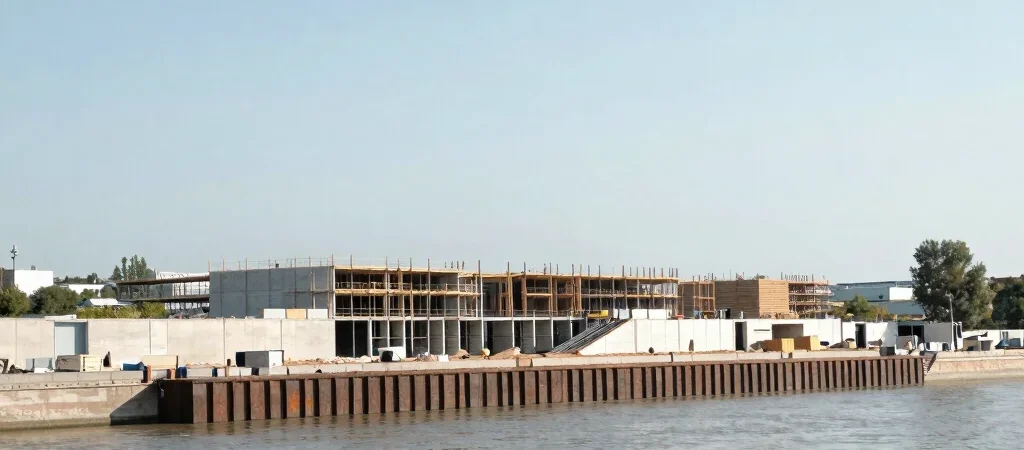
At a construction fence, the future can appear more certain than it is. Images and project descriptions may show an intended outcome, while the ground in front of you tells a different, current story. For anyone exploring the Bassins à flot, keeping those two records separate is essential.
Begin with what is visible
Describe the existing condition first: a completed building, an active work site, a public quay, or a route that is temporarily restricted. These are observations a visitor can check on the day. Avoid turning a building’s appearance or a signboard into an unsupported claim about its history, ownership, or future use.
Check the status of a project
A proposal, an announcement, a construction site, and a completed place are different stages. When discussing a change, identify which stage is documented and where that information comes from, then note when it was checked. If the status cannot be confirmed from a reliable, current source, say so rather than presenting a rendering as a finished place.
Keep a neighborhood-scale view
Urban change is not only a sequence of new buildings. It also alters how people move between the quays, where public space meets a work site, and which traces of port activity remain visible. A grounded guide records those everyday transitions without promising what the next phase will deliver. When you visit, take a photo of what is there and check the date on any information about what may come next.